Zero Trust for Cloud Environments: A Practical Implementation Guide
How to apply Zero Trust to cloud environments across AWS, Azure and Google Cloud: identity-first controls, segmentation, workload security and a phased rollout.



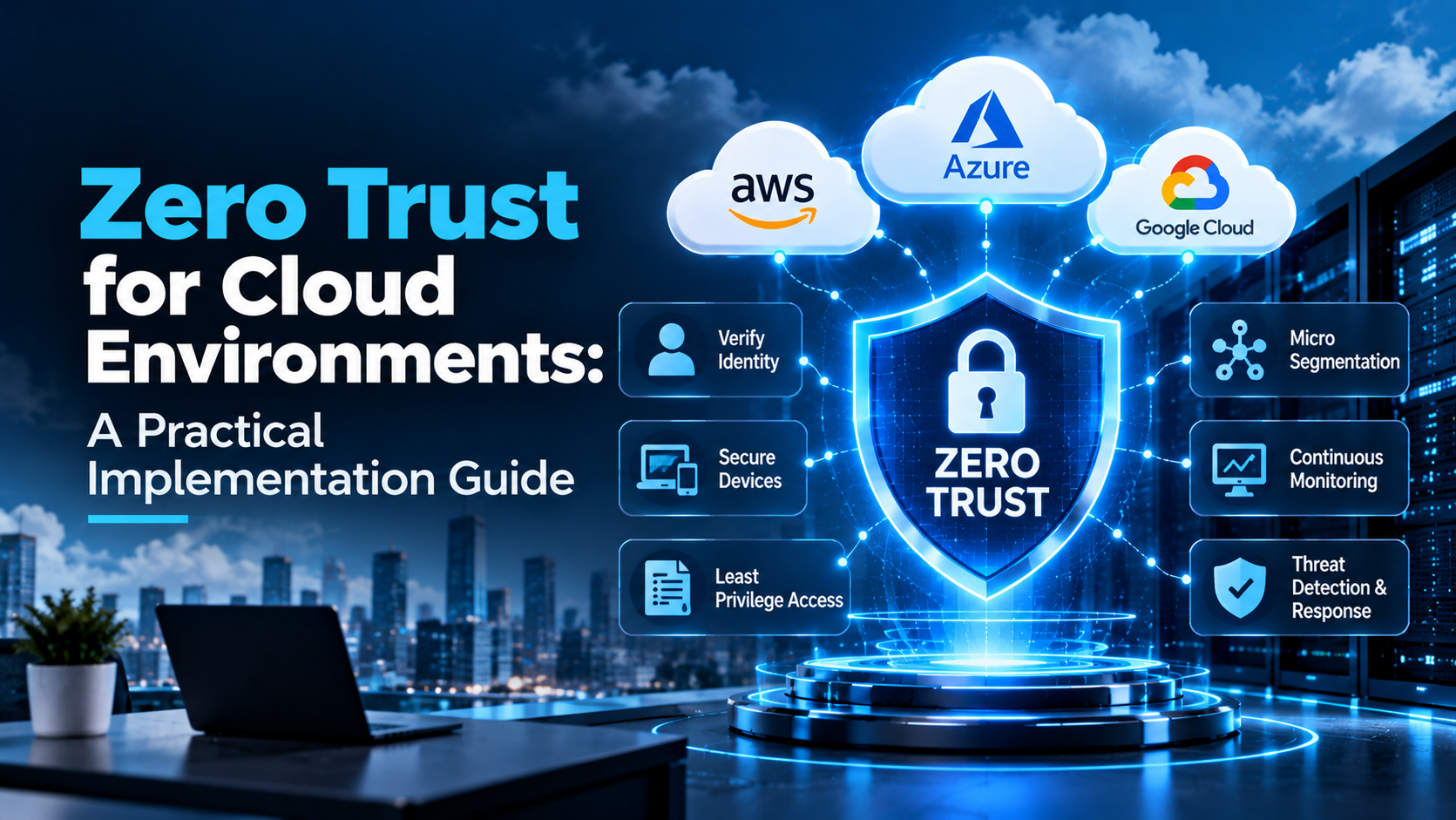
How to apply Zero Trust to cloud environments across AWS, Azure and Google Cloud: identity-first controls, segmentation, workload security and a phased rollout.
Learn which cloud misconfigurations cause data breaches, from public storage to excessive IAM permissions, and the controls that stop them reaching production.
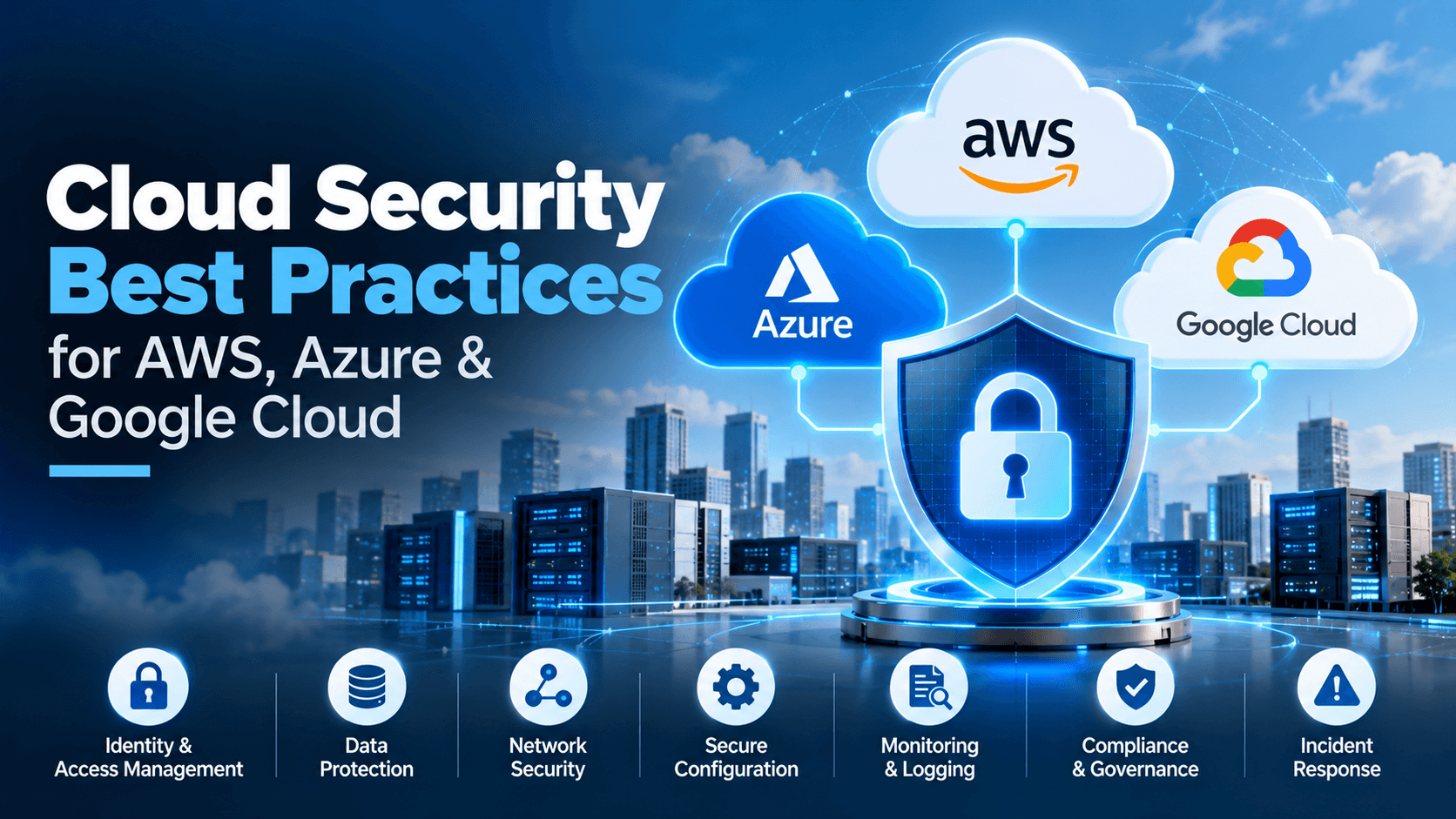
Cloud adoption has changed the way businesses build, deploy and manage technology. Instead of running everything inside a traditional data center, organizations can now operate applications, databases, APIs, storage and entire business platforms across AWS, Microsoft Azure and Google Cloud. But moving to the cloud does not automatically make an environment secure. In fact, cloud […]
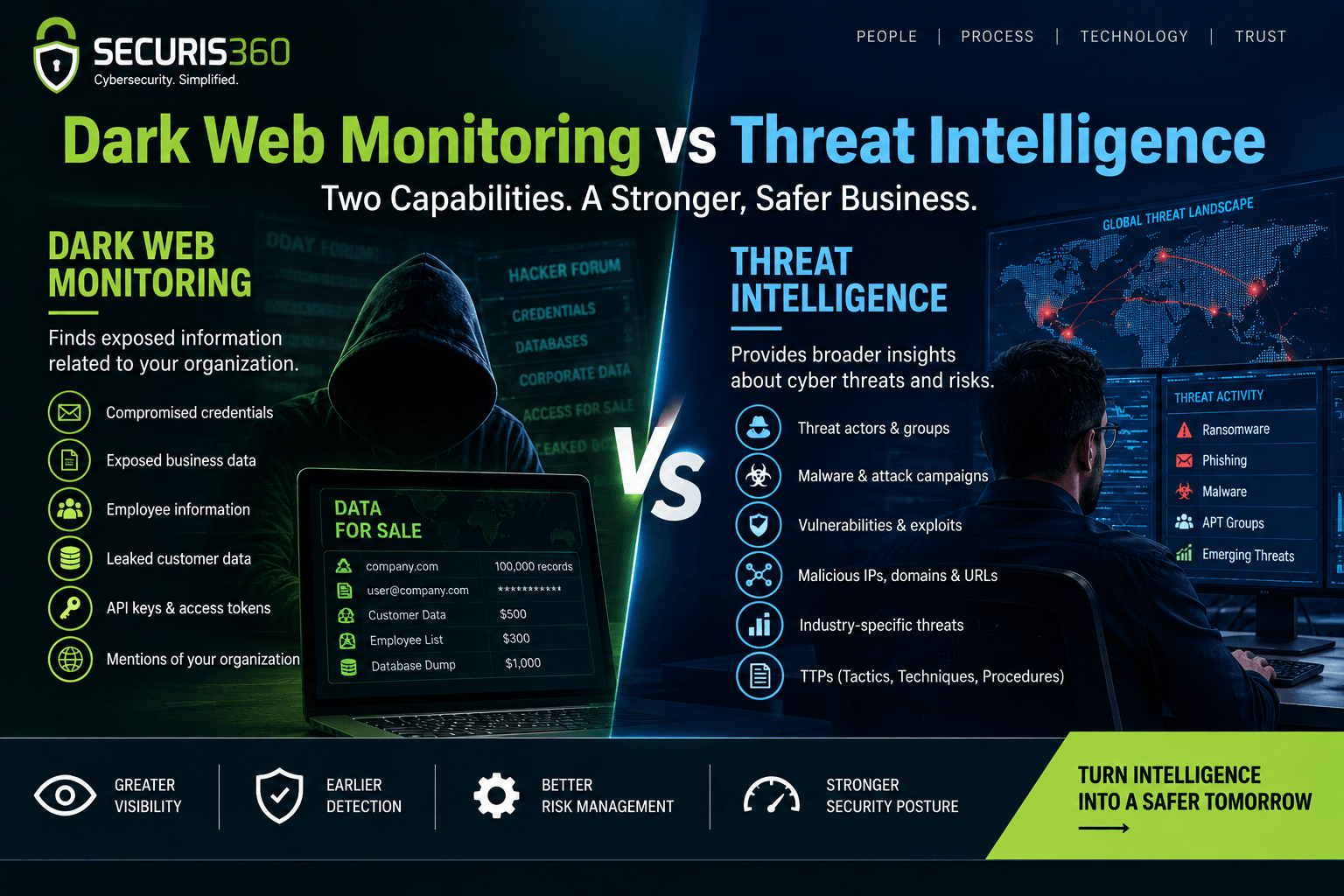
Cybersecurity teams need visibility beyond what is happening inside their own networks. An organization may have firewalls, endpoint protection, SIEM, vulnerability management, and other security controls in place, but attackers can still expose business information outside the organization’s direct environment. This is where Dark Web Monitoring and Threat Intelligence become valuable. These two capabilities are […]
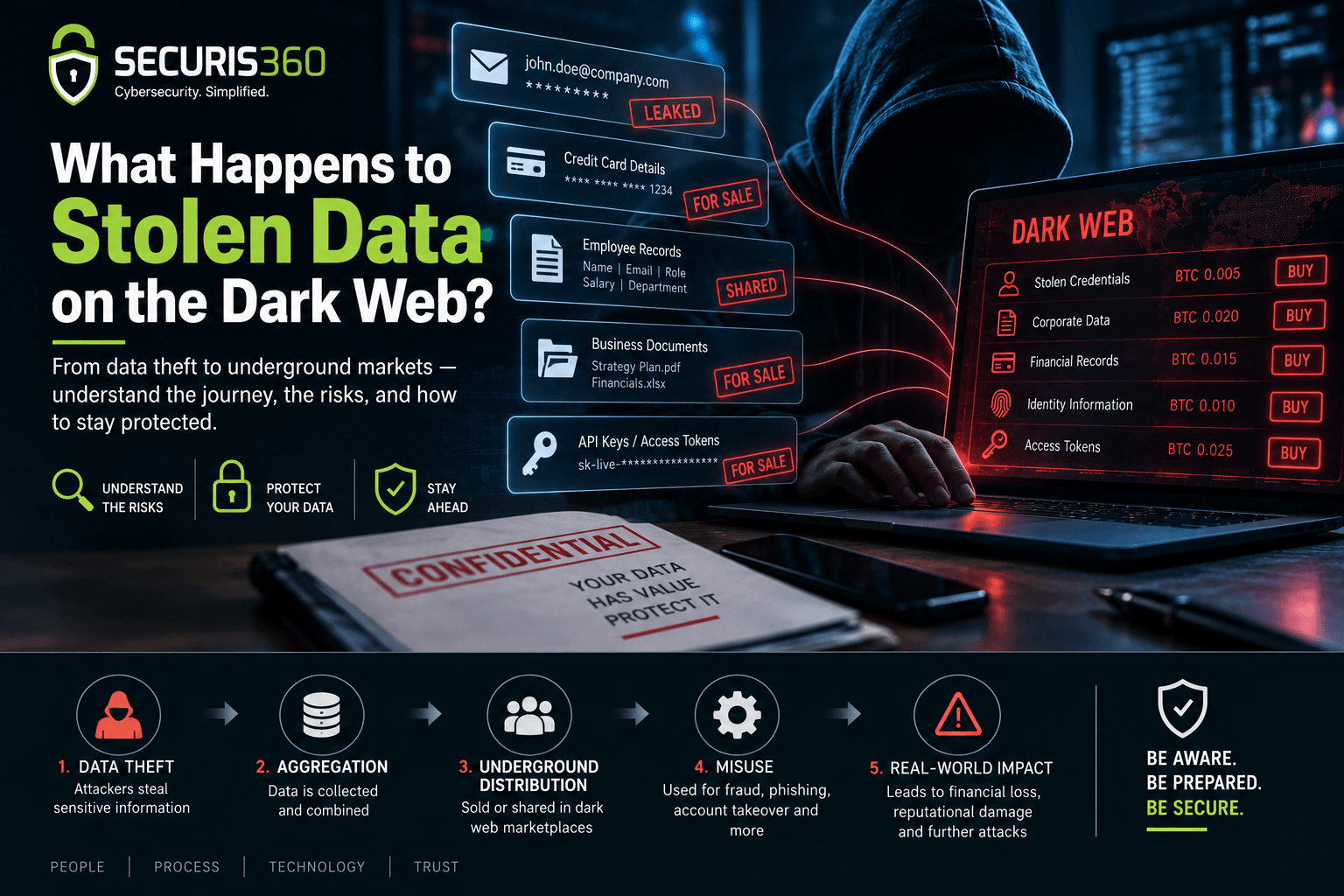
When a cyberattack exposes sensitive information, the damage does not necessarily end when the attacker leaves the compromised system. Stolen information can move into underground online communities, where cybercriminals may sell, exchange, reuse, or combine it with other information to support additional attacks. Passwords, email addresses, customer records, financial information, corporate documents, session information, and […]
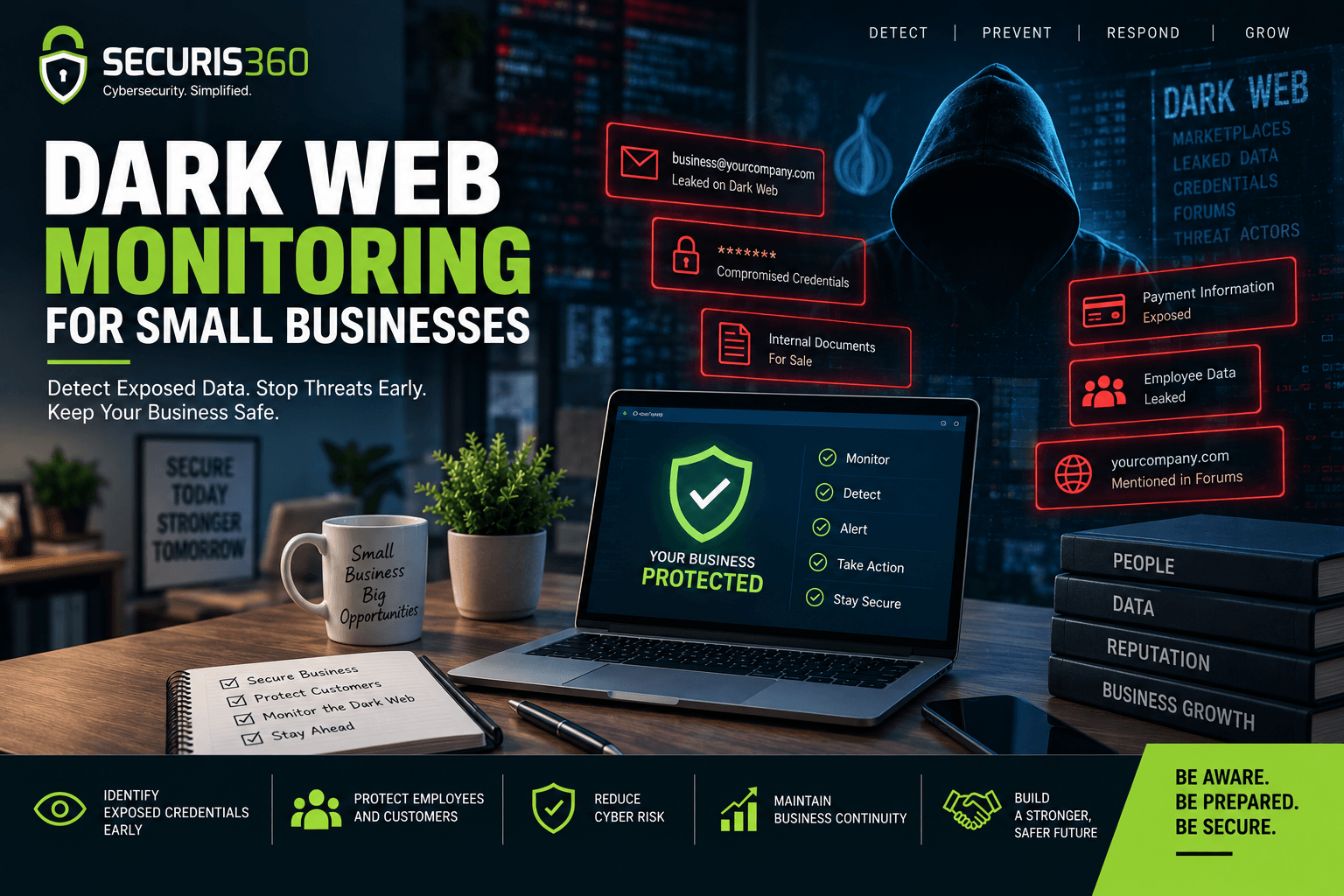
Small businesses are increasingly targeted by cybercriminals because they often hold valuable customer, employee, financial, and business information but may have fewer cybersecurity resources than large enterprises. A compromised password, leaked email address, exposed API key, or stolen business document can give attackers an opportunity to target an organization. One way businesses can improve their […]
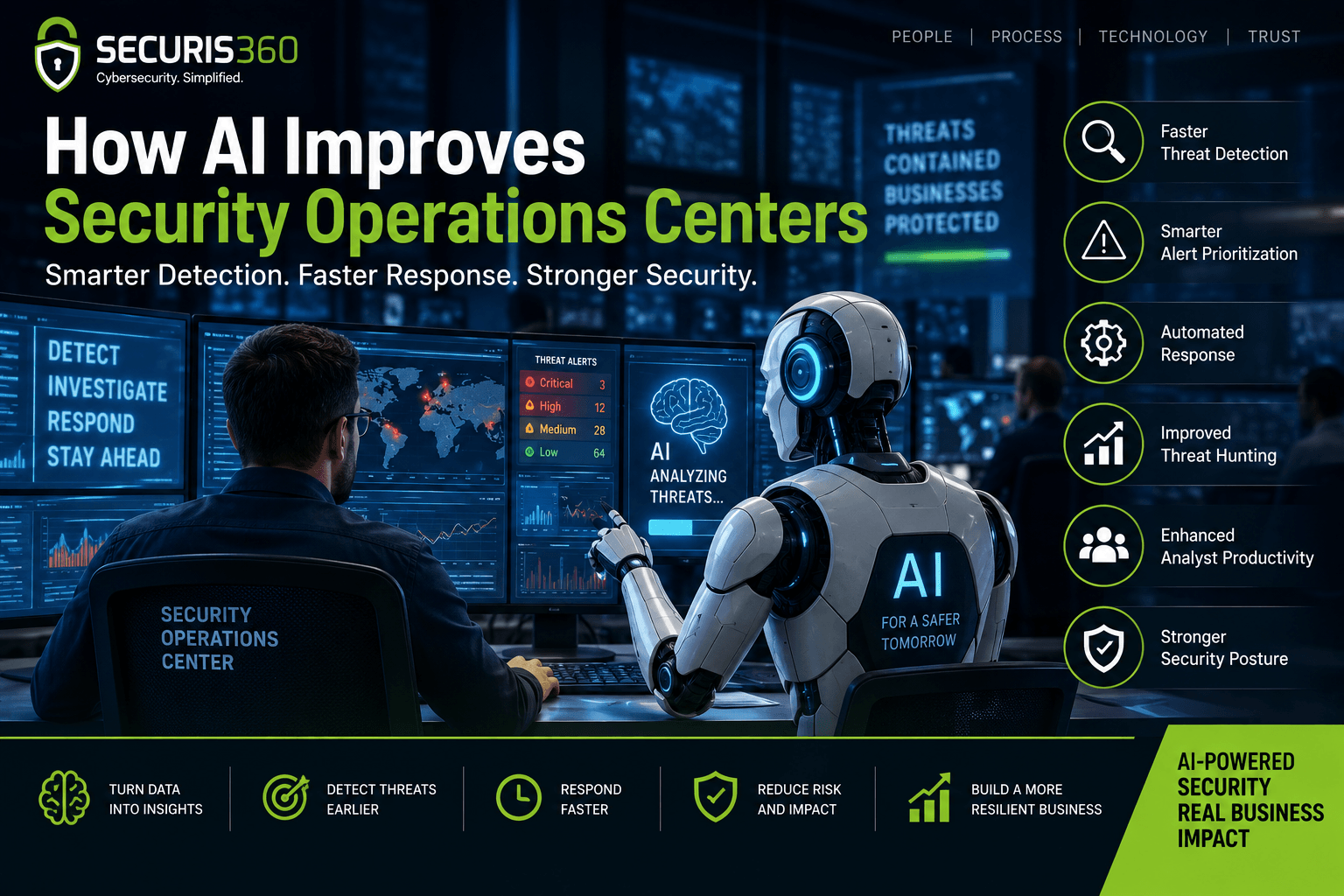
Security Operations Centers (SOCs) are responsible for monitoring an organization’s technology environment, detecting suspicious activity, investigating threats, and responding to security incidents. But modern organizations generate enormous amounts of security data every day. Cloud platforms, endpoints, applications, identity systems, firewalls, SaaS applications, and network infrastructure continuously produce logs and security events. For security teams, reviewing […]
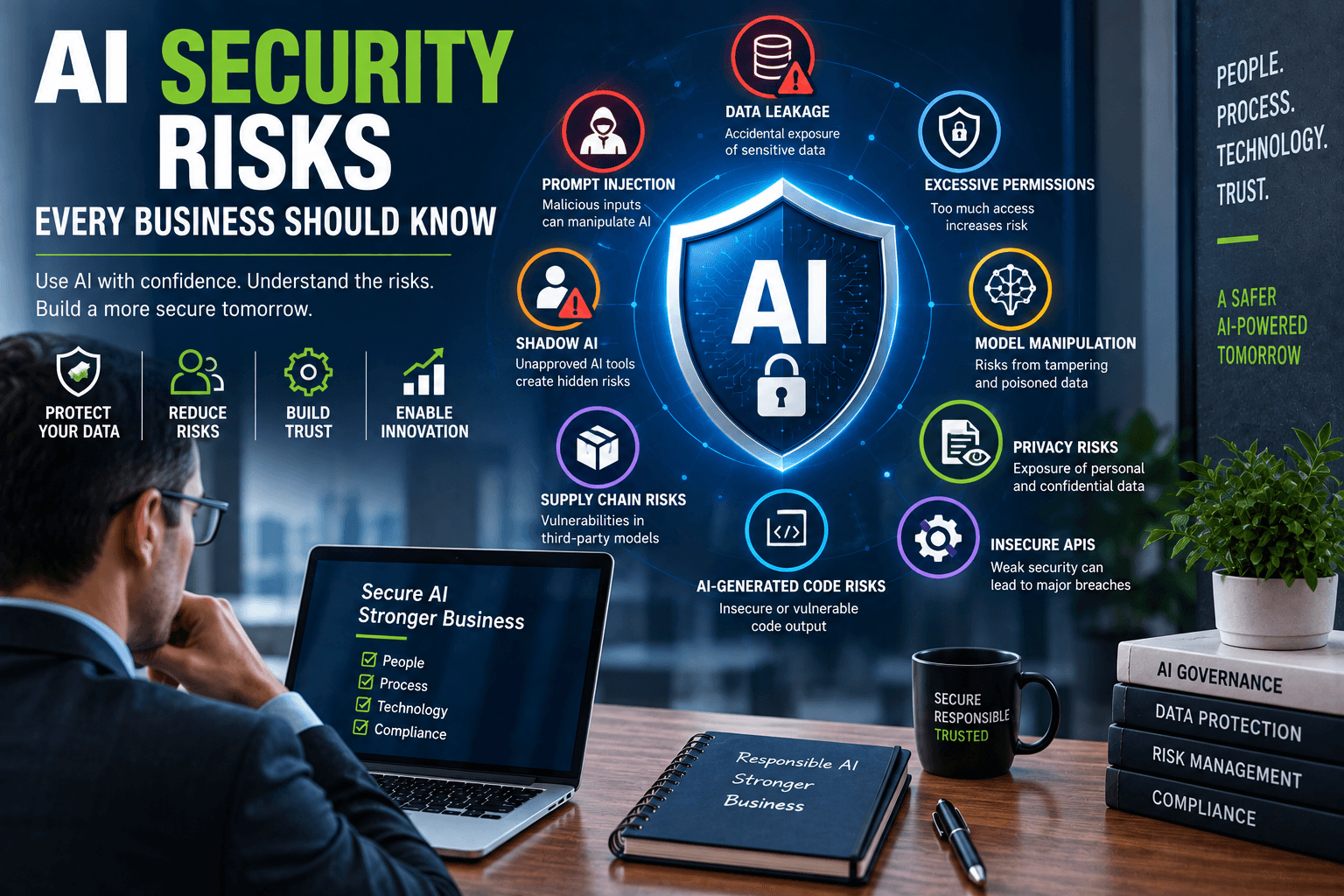
Artificial intelligence is changing how businesses work. Organizations are using AI for customer support, software development, marketing, fraud detection, data analysis, document processing, healthcare applications, financial services, and internal operations. But while AI can improve productivity, it also introduces new cybersecurity risks. An employee can accidentally enter confidential information into an AI tool. A malicious […]

The Real Reason Enterprise Deals Stall Ask any B2B sales leader where their biggest deals get stuck, and the answer is rarely price or features. It’s security review. Enterprise procurement teams add 4–8 weeks to a sales cycle when a vendor can’t produce a SOC 2 report, and 30–50% of pipeline can sit stalled in […]
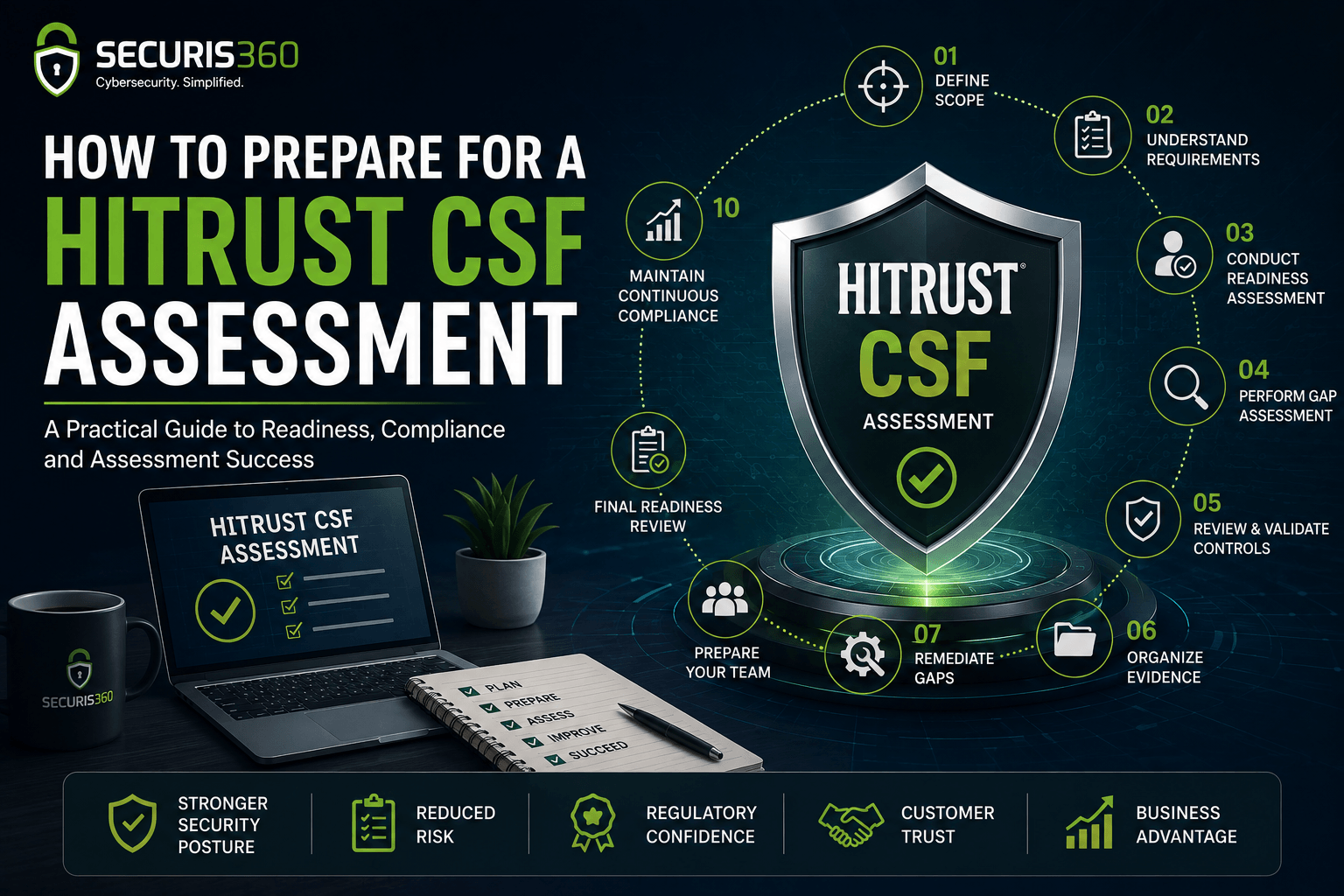
Preparing for a HITRUST CSF assessment can feel overwhelming, especially when an organization is managing security controls, policies, technical systems, risk management, and evidence across multiple teams. The good news is that a HITRUST assessment does not have to become a last-minute compliance exercise. With proper planning, organizations can identify gaps early, improve security controls, […]